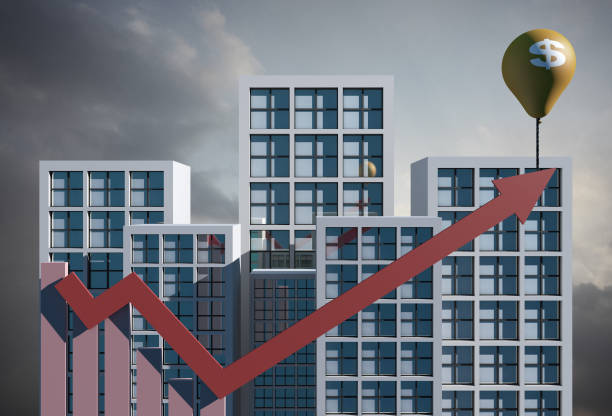

Cities are not just places where people live anymore. They are becoming ecosystems of technology, lifestyle, culture, and opportunity. Over the last decade, urban trends have changed the way people choose homes, offices, and even investment properties. Real estate values today are not only decided by location but also by lifestyle demand, connectivity, sustainability, and even social media influence.
Urban trends move fast. And real estate reacts even faster.
The Rise of Smart Cities
One of the biggest urban shifts is the development of smart cities. Governments and private developers are investing in technology-driven infrastructure — high-speed internet, digital public services, smart traffic systems, and energy-efficient buildings.
In countries like India, projects in cities such as Pune and Ahmedabad have focused on smart infrastructure upgrades. Areas that adopt these systems early often see property values increase. Why? Because buyers are not just purchasing a house — they are buying convenience and future readiness.
Smart homes, automated security, app-controlled lighting, and energy monitoring systems are no longer luxury features. They’re becoming expectations. Properties offering these features tend to attract premium buyers and tenants.
Work-From-Home and Hybrid Living
The pandemic permanently changed work culture. Companies across the world, from tech startups to giants like Google, adopted hybrid or remote models. This directly affected real estate trends.
Earlier, properties near corporate hubs had higher demand. Now, many professionals prefer larger homes in suburban or developing areas where they can get extra space for home offices at lower prices.
This shift has increased demand in peripheral urban zones and tier-2 cities. Instead of paying high rent in crowded city centers, people are investing in spacious apartments slightly outside the main business district.
Interestingly, some prime city center markets saw temporary slowdowns, but they are gradually stabilizing as hybrid work becomes balanced rather than fully remote.
Infrastructure Drives Appreciation
Infrastructure projects have always influenced property prices. But today, the impact is even more immediate.
For example, when a new metro line is announced in cities like Bengaluru, surrounding areas often see a sharp rise in real estate demand. Improved connectivity reduces travel time, making previously distant neighborhoods more attractive.
Similarly, airports, expressways, and commercial corridors can transform underdeveloped land into premium zones within a few years.
Investors often track upcoming infrastructure projects before making property decisions. Buying before completion can lead to significant appreciation once the project becomes operational.
Lifestyle-Centric Development
Modern buyers care about lifestyle more than ever. Proximity to cafes, malls, gyms, parks, and entertainment hubs plays a major role in pricing.
Take a city like Mumbai. A property close to sea-facing promenades or upscale shopping districts commands much higher value compared to similar-sized properties in less developed areas.
Gated communities with clubhouses, swimming pools, jogging tracks, and co-working spaces are gaining popularity. Developers understand that buyers want a complete ecosystem — not just four walls.
Walkability is another important trend. Neighborhoods where residents can walk to grocery stores, schools, or metro stations often see steady appreciation.
Sustainability and Green Living
Sustainability is no longer just a buzzword. Urban residents are becoming environmentally conscious. Energy-efficient buildings, rainwater harvesting systems, and solar panels are adding measurable value to properties.
Green-certified buildings often attract corporate tenants willing to pay higher rents because it aligns with their sustainability goals.
Cities around the world, including Singapore, are known for promoting eco-friendly architecture. Such initiatives push developers to innovate, and buyers respond positively.
In the long term, properties with sustainable features may also have lower operating costs, which increases their overall market appeal.
The Impact of Migration Patterns
Migration plays a huge role in shaping property prices. When people move to cities for jobs, education, or better opportunities, housing demand naturally increases.
Cities with strong IT, finance, or startup ecosystems tend to experience steady real estate growth. For example, areas around tech parks in Hyderabad have witnessed rapid residential expansion due to the influx of professionals.
At the same time, reverse migration trends — where people move back to smaller cities — are boosting property markets outside traditional metros.
Population flow directly impacts rental demand, resale value, and new project launches.
Retail and Mixed-Use Spaces
Urban design is shifting towards mixed-use developments. Instead of separating residential and commercial zones, developers are combining them.
Mixed-use projects allow residents to live, work, shop, and socialize within the same complex. This convenience often leads to higher property prices.
Commercial real estate is also evolving. Traditional office spaces are being redesigned into flexible co-working hubs. Companies prefer adaptable spaces over long-term rigid leases.
This transformation affects both rental yields and long-term investment potential.
Technology and Data Influence
Today, buyers don’t depend only on brokers. Online platforms provide property comparisons, virtual tours, price trend data, and neighborhood reviews.
Data transparency makes markets more competitive. Overpriced properties are quickly identified, and fair-priced ones sell faster.
Artificial intelligence tools help predict appreciation zones based on infrastructure, migration, and economic growth patterns. Investors who rely on data-driven decisions often gain better returns compared to purely emotional buyers.
The Role of Government Policies
Government regulations and incentives strongly shape urban real estate. Tax benefits for first-time buyers, reduced stamp duties, and housing schemes encourage property purchases.
Urban development policies that promote affordable housing increase supply in certain price segments, which can stabilize or even lower prices temporarily.
On the other hand, stricter zoning laws or construction restrictions can limit supply, pushing prices upward.
Policy decisions often create ripple effects across entire city markets.
Social Media and Perception Value
It may sound surprising, but social media plays a role too. Areas that become trendy on platforms like Instagram often see rising interest.
Cafes, nightlife hubs, and aesthetic neighborhoods attract young buyers and renters. Perception creates demand — and demand drives price.
Real estate today is influenced not just by physical infrastructure but by digital visibility.
Conclusion
Urban trends are continuously reshaping real estate values. Smart infrastructure, hybrid work culture, sustainability, migration, lifestyle demands, and government policies all combine to determine how property markets behave.
The biggest shift is that buyers are no longer looking only for location — they are looking for experience, convenience, and future growth potential.
Cities are evolving faster than ever. And as urban lifestyles continue to transform, real estate values will keep adjusting accordingly. Investors and homeowners who understand these trends early are more likely to benefit from long-term appreciation.
In simple words, real estate is no longer just about land and buildings. It’s about how cities are changing — and how people want to live inside them.