
We used to think of homes as just four walls, a roof, and some furniture inside. A place to sleep, eat, and maybe watch TV after a long day. But now? Homes are slowly turning into something much smarter — almost like they have a brain of their own. Thanks to smart technology, houses are becoming “genius spaces” that think, respond, and even learn from us.
It’s honestly kind of crazy when you sit and think about it.
From Regular to Responsive
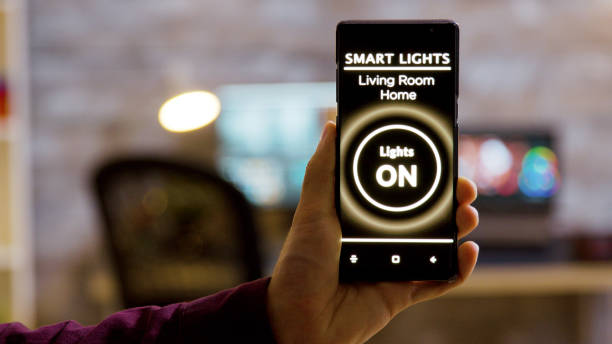
Earlier, if you wanted to turn off the lights, you had to get up and switch them off. Now, with smart lighting systems like Philips Hue, you can dim, change colors, or switch off lights just by using your phone or even your voice. Some systems even adjust brightness automatically depending on the time of day.
It sounds small, but these little changes make life smoother. Imagine waking up and your curtains open automatically. Your coffee machine starts brewing. The room temperature adjusts itself before you even step out of bed. That’s not a scene from a sci-fi movie anymore — it’s real.
Voice Assistants: The Brain of the House
One of the biggest reasons homes feel “smart” today is voice assistants. Devices like Amazon Echo powered by Alexa, or Google Nest Hub using Google Assistant, have changed how we interact with our homes.
You don’t press buttons anymore. You just say, “Turn off the fan,” or “Play some music,” and it happens.
Sometimes I feel like we are becoming a little lazy because of this. But at the same time, it saves time and effort. For elderly people or people with disabilities, this technology isn’t just convenient — it’s life-changing.
Smart Security: Peace of Mind
Security is another area where smart tech is making homes genius-level smart. Smart doorbells like Ring Video Doorbell let you see who’s at your door even when you’re not home. You get instant alerts on your phone. Some cameras even recognize familiar faces.
Smart locks allow you to lock or unlock your home remotely. Forgot to lock the door while leaving for vacation? No problem. Just open your app and tap once.
It gives a different kind of mental peace. Especially in today’s world where safety is a big concern.
Energy Efficiency and Smart Savings
One thing I personally like about smart homes is how they help save electricity. Smart thermostats like Nest Learning Thermostat learn your schedule. They automatically adjust heating and cooling when you’re home or away.
Instead of running the AC the whole day, the system only uses energy when needed. Over time, this can reduce electricity bills significantly.
In a country like India, where electricity bills can shoot up in summer, this makes a big difference. Plus, it’s good for the environment. Less waste, less carbon footprint.
Smart Kitchens: Cooking Gets an Upgrade
Kitchens are also becoming smarter. Refrigerators now track what’s inside them. Some can even suggest recipes based on available ingredients. Smart ovens can be controlled through apps — you can preheat them while driving back home.
It almost feels like your kitchen is your assistant.
I’m not saying it replaces cooking skills — you still need to know how to cook properly. But it definitely reduces mistakes and saves time.
Automation: The Real Genius
The real magic of smart homes lies in automation. It’s not just about controlling devices remotely. It’s about devices working together.
For example:
-
When you leave home, lights turn off automatically.
-
The AC switches to eco mode.
-
Doors lock themselves.
-
Security cameras activate.
You don’t have to remember everything. The system does it for you.
It’s like setting rules once and letting your home follow them forever.
Smart Entertainment Spaces
Even entertainment has become smarter. Smart TVs connected to platforms like Netflix or YouTube suggest content based on your watching habits.
Speakers can sync across rooms. You can play the same song everywhere in the house or different songs in each room. Movie nights feel more immersive with connected sound systems and automated lighting that dims automatically when the movie starts.
It creates an experience — not just watching TV, but feeling like you’re in a mini theater.
Data and Learning: Homes That Adapt
What really makes smart homes genius is their ability to learn patterns.
Over time, systems study:
-
When you wake up
-
When you sleep
-
What temperature you prefer
-
Which lights you use most
Then they adjust automatically.
It’s not just reacting — it’s predicting.
Some people worry about privacy, and honestly, that’s a valid concern. Smart homes collect data. So it’s important to use strong passwords, secure Wi-Fi, and trusted brands.
Technology is powerful, but it should always be used carefully.
The Cost Factor
Now, let’s be real. Smart homes are not cheap. Setting up a full system with smart lights, thermostats, cameras, and automation can be expensive.
But you don’t have to do everything at once. Start small. Maybe begin with smart bulbs or a smart speaker. Slowly build your system over time.
That’s what most people do.
And once you start, it becomes addictive. You think, “Okay, now let me automate this too.”
The Future of Smart Living
The future looks even more interesting. With Artificial Intelligence improving rapidly, homes will become more intuitive. Imagine homes that detect your mood based on voice tone and adjust lighting or music accordingly.
It might sound futuristic, but honestly, we are not far from that reality.
In the coming years, smart homes may not just be a luxury. They could become the standard.
Smart technology is not just adding gadgets to houses. It’s transforming spaces into intelligent environments that save time, improve safety, reduce energy use, and enhance comfort.
Homes are no longer just places where we live.
They are becoming spaces that live with us.