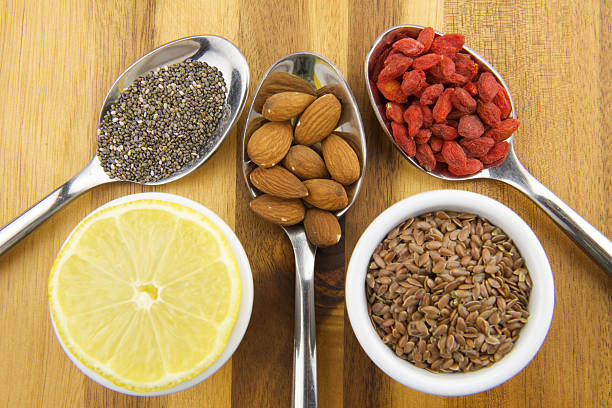

When we hear the word “superfood,” most of us instantly think about blueberries, almonds, spinach, or maybe green tea. But honestly, the world is much bigger than our usual grocery list. There are so many unusual superfoods out there that quietly pack insane nutrition but don’t get much attention. Some of them even look weird at first. I used to ignore a few of these just because they didn’t look “normal.” Big mistake.
Let’s talk about some lesser-known superfoods that can seriously upgrade your health game.
Moringa – The Miracle Tree
Moringa oleifera is often called the “miracle tree,” and after reading about it, I kind of get why. Its leaves are full of vitamins A, C, and E, along with calcium, potassium, and protein. Yes, protein — from leaves.
In many parts of India and Africa, moringa has been used for generations. But in urban cities, it’s only recently becoming popular in powder form. You can mix it into smoothies, sprinkle it on salads, or even stir it into warm water.
What makes it powerful? It’s loaded with antioxidants. These help fight oxidative stress, which basically means protecting your cells from damage. Some studies also suggest it may help reduce blood sugar levels. Not magic, but impressive.
Sea Buckthorn – The Bright Orange Berry
Sea buckthorn berries look small and bright orange, but they are nutritional bombs. They contain omega-7 fatty acids, which are not very common in most foods.
Omega-7 is believed to support skin health, digestion, and heart health. Sea buckthorn is also extremely rich in vitamin C — sometimes even more than oranges. That surprised me.
The taste is very tangy, almost sour, so people usually consume it as juice or oil supplements. It’s especially popular in parts of Europe and Asia.
Black Garlic – Not Your Regular Garlic
If you’ve only had white garlic, black garlic might look spoiled. But it’s not. Black garlic is made by fermenting regular garlic under controlled heat and humidity. The result? A sweet, almost balsamic flavor and a softer texture.
Nutritionally, it contains higher levels of antioxidants compared to raw garlic. It may support heart health, reduce inflammation, and boost immunity. Plus, it doesn’t give you that strong garlic breath. Honestly, that’s already a win.
You can spread it on toast, mix it into sauces, or blend it into dips. It feels gourmet but is surprisingly simple.
Teff – The Tiny Ancient Grain
Teff is one of the smallest grains in the world, originally from Ethiopia. Despite its size, it’s packed with iron, protein, fiber, and calcium.
It’s naturally gluten-free, which makes it a great option for people with gluten sensitivity. Teff is also known for its slow-digesting carbs, which help maintain steady energy levels. No sudden sugar spikes.
Traditionally, it’s used to make injera, a soft flatbread in Ethiopian cuisine. But you can also use teff flour in baking or cook it like porridge. It has a mild, nutty taste.
Camu Camu – The Vitamin C King
Camu camu is a small fruit from the Amazon rainforest. And here’s the crazy part — it contains extremely high levels of vitamin C. Way more than most common fruits.
Vitamin C is crucial for immunity, collagen production, and skin health. Camu camu also contains flavonoids and antioxidants that support overall health.
You usually won’t find it fresh outside South America, but it’s available in powder form. Add it to smoothies or juices. Just a small amount is enough because it’s very potent and sour.
Chlorella – The Green Detox Helper
Chlorella is a type of freshwater algae. I know, algae doesn’t sound very tasty. But nutritionally, it’s impressive.
It’s rich in chlorophyll, protein, iron, and B vitamins. Some research suggests chlorella may help remove heavy metals from the body and support detoxification. It’s also linked to improved cholesterol levels.
You can find it in tablet or powder form. The taste is strong and earthy, so mixing it into smoothies is probably the easiest way.
Sacha Inchi – The Inca Peanut
Sacha inchi, also called the Inca peanut, comes from South America. The seeds are incredibly rich in omega-3 fatty acids, protein, and fiber.
Omega-3 is essential for brain function and heart health. While fish is a common source, sacha inchi offers a plant-based alternative.
The seeds can be roasted and eaten as snacks. They taste slightly nutty and crunchy. There’s also sacha inchi oil, which can be used in salads.
Baobab – The Tree of Life Fruit
Baobab fruit comes from the famous baobab tree found in Africa. The fruit pulp is naturally dried inside the shell, so it turns into powder easily.
Baobab is rich in fiber, vitamin C, and antioxidants. The high fiber content helps with digestion and gut health. It also supports stable blood sugar levels.
You can mix baobab powder into yogurt, smoothies, or even water. It has a slightly citrusy flavor.
Why Try Unusual Superfoods?
The truth is, no single food will magically fix everything. Health is about overall balance. But adding variety to your diet can fill nutritional gaps you didn’t even know you had.
Unusual superfoods often come from traditional cultures that have used them for centuries. Sometimes modern science just “rediscovers” what people already knew.
Also, trying new foods keeps eating interesting. Let’s be honest — plain oats and boiled vegetables every day can get boring.
A Small Word of Caution
Even superfoods should be consumed in moderation. Just because something is healthy doesn’t mean more is always better. Start small, see how your body reacts, and if you have any medical conditions, consult a healthcare professional.
Final Thoughts
Exploring unusual superfoods feels a bit like discovering hidden treasures. From moringa leaves to camu camu berries, these foods may look unfamiliar, but they offer impressive health benefits.
You don’t need to buy all of them at once. Maybe just pick one and experiment. Add teff to your breakfast. Try black garlic in your dinner. Mix baobab into your smoothie.
Sometimes small additions can make a big difference over time. And who knows? Your new favorite food might be something you’ve never even heard of before.