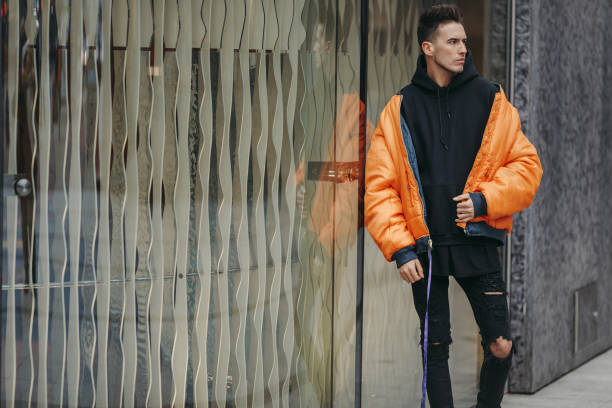

Not too long ago, streetwear was seen as something casual, even rebellious. It was connected to skate parks, hip-hop culture, underground art scenes, and everyday youth fashion. Oversized hoodies, graphic T-shirts, sneakers, ripped jeans — these weren’t items you would expect to see on luxury runways in Paris or Milan. High fashion, on the other hand, was all about exclusivity, elegance, and tradition.
But things have changed. And honestly, they changed faster than most people expected.
Today, streetwear is not just influencing high fashion — it is reshaping it completely.
The Power of Youth Culture
One of the biggest reasons behind this shift is youth culture. Young consumers now have more influence than ever before. Thanks to social media platforms like Instagram and TikTok, trends are created and spread almost overnight. Luxury brands realized something important: if they want to stay relevant, they must connect with younger audiences.
Streetwear speaks the language of youth. It represents freedom, individuality, and sometimes even rebellion. Brands like Supreme built their entire identity on limited drops, bold logos, and exclusivity through scarcity. Ironically, that same strategy is what luxury fashion has always used — just in a different form.
When high-end fashion houses saw the loyalty and hype around streetwear brands, they understood that this wasn’t just a passing trend. It was a movement.
Luxury Brands Embrace Street Style
The real turning point came when major luxury houses began collaborating with streetwear labels. A historic example is the collaboration between Louis Vuitton and Supreme in 2017. That collection shocked the fashion world. It mixed classic luxury monograms with bold street graphics, and it sold out almost instantly.
This collaboration was more than just clothing. It was a signal. It showed that the line between streetwear and high fashion was officially blurred.
Designers like Virgil Abloh played a huge role in this transformation. As the founder of Off-White and later the artistic director of menswear at Louis Vuitton, he brought street aesthetics directly into luxury spaces. His designs combined quotation marks, industrial belts, sneakers, and bold typography — things once considered “too casual” for high fashion.
And people loved it.
Sneakers on the Runway
There was a time when luxury fashion shows were filled with polished leather shoes and high heels. Now, sneakers dominate the runway. Brands like Balenciaga turned chunky sneakers into a global obsession. What once looked “ugly” became a statement piece.
Sneakers represent comfort and practicality — values that modern consumers care about. Today’s buyers want fashion that looks good but also feels wearable. Streetwear naturally offers that balance.
Luxury brands understood that formalwear alone was no longer enough. The world is more casual now. Workplaces are less strict, lifestyles are more relaxed, and fashion has adapted accordingly.
The Role of Celebrities and Influencers
Celebrities have also played a massive role in pushing streetwear into high fashion. Artists like Kanye West didn’t just wear streetwear — they built fashion empires around it. His Yeezy collaborations with major brands made sneakers and minimalist street aesthetics part of luxury conversations.
At the same time, hip-hop culture became deeply connected with designer brands. Rappers frequently mention luxury labels in their lyrics, blending high fashion with street credibility. This relationship benefits both sides: street culture gains prestige, and luxury brands gain cultural relevance.
Social media influencers also help drive this trend. A single post featuring a hoodie or limited-edition sneaker can create global demand within hours. High fashion is no longer controlled only by elite fashion editors; it’s influenced by everyday creators and online communities.
Limited Drops and Hype Culture
Streetwear introduced the concept of “drops” — limited product releases announced in advance to create excitement. Instead of traditional seasonal collections, brands release small batches that sell out quickly.
Luxury brands have adopted this model. By creating scarcity, they increase demand and maintain exclusivity. It’s almost like turning shopping into an event.
Consumers today are not just buying clothes; they are buying experiences and status. Owning a rare hoodie can feel just as prestigious as owning a tailored suit from a heritage fashion house.
Breaking Traditional Fashion Rules
Streetwear also challenges traditional ideas of what luxury should look like. In the past, luxury fashion focused heavily on formal silhouettes, fine tailoring, and classic color palettes. Streetwear introduced oversized fits, bold graphics, distressed fabrics, and experimental designs.
Now, seeing hoodies layered under tailored coats or sneakers paired with suits is completely normal.
This blending of styles reflects a cultural shift. People no longer want to fit into strict categories. They want versatility. They want to mix comfort with elegance, rebellion with sophistication.
High fashion had to evolve or risk becoming irrelevant.
The Business Perspective
From a business standpoint, streetwear is extremely profitable. Limited releases reduce overproduction. Collaborations generate massive media attention. Younger customers bring long-term brand loyalty.
Luxury brands realized that adapting to streetwear wasn’t just about style — it was about survival.
Fashion is ultimately about responding to society. As society becomes more casual, digital, and youth-driven, fashion follows.
Is This a Temporary Trend?
Some critics argue that streetwear in high fashion is just a phase. But looking at how deeply it has influenced design, marketing, and consumer behavior, it feels more like a permanent shift.
Streetwear has changed how luxury brands communicate. It has changed who their target audience is. It has changed what people expect from high-end clothing.
Even if trends evolve, the impact of street culture on high fashion cannot be undone.
A New Definition of Luxury
Luxury used to mean formality, distance, and exclusivity through tradition. Now it also means cultural relevance, authenticity, and connection.
Streetwear didn’t destroy high fashion — it transformed it. It forced it to become more inclusive, more experimental, and more aware of global youth culture.
Today, a hoodie can sit next to a tailored blazer on the runway without looking out of place. Sneakers can be as valuable as dress shoes. Logos can be bold and loud instead of subtle and hidden.
The streets have entered the fashion capitals of the world. And honestly, it doesn’t look like they’re leaving anytime soon.